Vietnam Trip Planning Guide for Indian Travelers (2026): Itineraries, Visas, Food
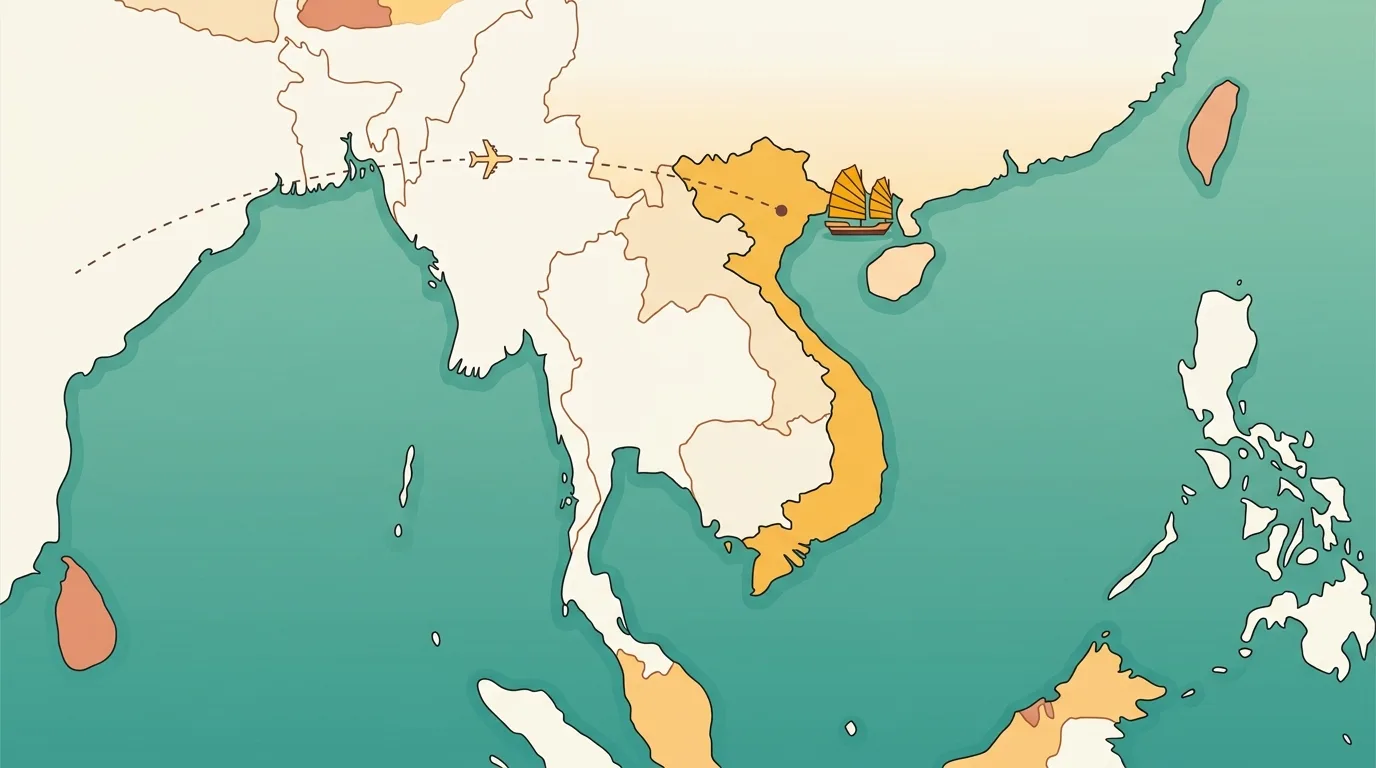
Most guides to planning a Vietnam trip from India treat food as an afterthought: something you'll figure out once you land. If you're vegetarian, Jain, or halal, that's backwards. The food question shapes which cities you visit and how long you spend in each. It also decides how far ahead you need to book your Halong Bay cruise specifically, since that's the one leg of the trip where you can't just walk to another restaurant if the kitchen doesn't work out for you.
This guide sequences the planning correctly: visa first, then timing, then an itinerary shape that puts Halong Bay's food logistics where they belong (decided early, not scrambled together the week before departure), then a realistic budget.
Key Takeaways
- Indian citizens need a visa for Vietnam, arranged in advance. Don't assume visa-free or visa-on-arrival without checking current rules first.
- Two windows see the most Indian traveler volume: April–July (summer holidays) and October–January (wedding/festival season). Book cabins and dietary confirmations earlier in these windows, not later.
- A 7-day trip pairing Hanoi, Halong Bay, and one more stop is the most common shape for Indian travelers, per Vietnam's own tourism data.
- Decide your Halong Bay cruise's dietary logistics (see our dedicated guides) before you lock flights: notice-period requirements can run 1-2 weeks, and that clock needs to start early in your planning, not late.
Why Vietnam, and Why Now
Indian tourism to Vietnam has grown fast enough to reshape how operators compete for it. Indian arrivals to Vietnam rose from 392,000 in 2023 to roughly 507,000 in 2024 and approximately 746,000 in 2025, making India the country's sixth-largest source market by that point (VnExpress International, citing Vietnam National Tourism Administration data, retrieved 2026-09-23). Early 2026 data shows that growth continuing, with more than 324,000 Indian arrivals in the first four months of the year alone, a 35% year-over-year increase (same source).
That volume is exactly why Halong Bay cruises now compete on Indian food specifically, and why this site exists as a dedicated resource rather than a footnote inside a generic Vietnam guide. See our full breakdown of why more Indians are choosing Vietnam if you want the fuller picture with the data behind it.
Visa: The First Thing to Confirm, Not the Last
Indian citizens need a visa to enter Vietnam: this isn't a visa-free destination for Indian passport holders, and assuming otherwise is one of the more common planning mistakes. Most travelers arrange an e-visa in advance rather than visiting an embassy in person. Processing takes a few business days under normal conditions, but rules and processing windows can change. Confirm directly against Vietnam's official immigration channels close to your actual travel dates, not from a guide written months earlier, including this one.
Build your visa timeline in before you lock flights or cruise dates. A dietary confirmation for your Halong Bay cruise is only useful once your travel dates are actually fixed, and your travel dates aren't really fixed until your visa is sorted. See our dedicated Vietnam visa guide for Indians for the specifics.
When to Go
Two windows see the most Indian traveler volume to Vietnam: April–July, driven by school summer holidays, and October–January, driven by wedding and festival season (VnExpress International, citing VNAT data, retrieved 2026-09-23). Booking inside either window means more competition for cabins on the operators known for accommodating Indian dietary needs well. Earlier confirmation matters more, not less, during those months. Wedding-season travelers in particular tend to book in larger groups, which adds another reason to confirm a kitchen's capacity for a specific dietary need well ahead of the trip.
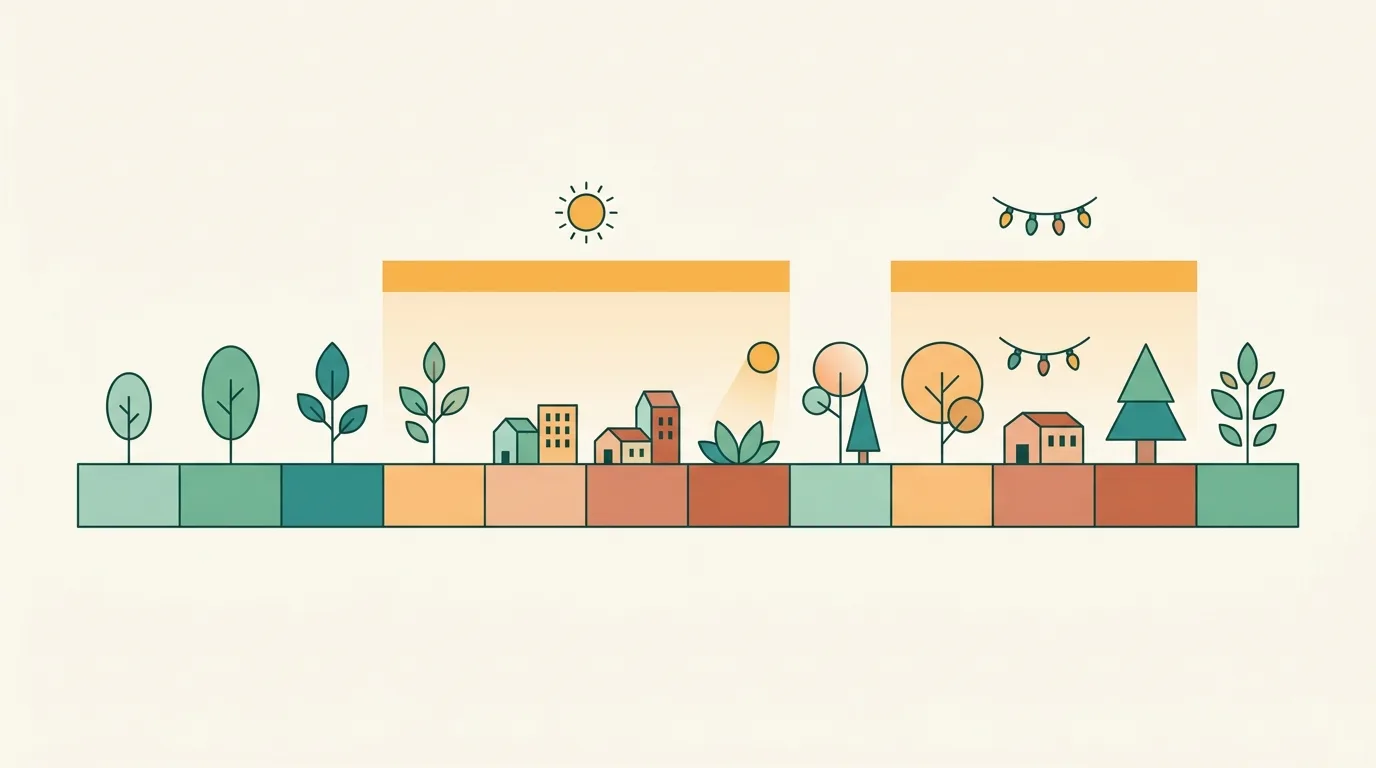
Outside those windows, you'll generally find more availability and less pressure on notice-period timelines, worth considering if your dates are flexible. See our best time to visit guide for the fuller seasonal picture, including weather.
A Realistic Itinerary Shape
Since the average Indian visit spans 5-7 days across more than one destination rather than a single city, most travelers pair Halong Bay with Hanoi and typically one more stop further south. A common pattern: two to three days in Hanoi, one to three days on a Halong Bay cruise depending on whether you choose a day trip or an overnight option, then onward travel to a third city.
Sequencing the cruise early in the trip, rather than at the end, gives you a buffer to sort out any dietary mix-up on land before you're back home, a small but genuinely useful planning detail most itinerary guides skip. See our full 7-day itinerary for a specific day-by-day shape built around this sequencing, with vegetarian food stops mapped in.
Budget: What to Actually Plan For
Trip cost goes well beyond the cruise itself: flights, Hanoi accommodation, the transfer to Halong Bay, and the cruise all add up, and the Indian rupee to Vietnamese dong exchange rate is worth understanding before you start comparing quotes in different currencies. We keep a dedicated, regularly updated breakdown of that rather than covering it here in passing. See our Halong Bay cost in Indian rupees guide.
If you're specifically weighing what the Indian-food option costs relative to a standard cruise, that's a separate, more specific question, see the Master Pillar's cost breakdown.
Planning for Your Specific Trip Type
Trip planning looks different depending on who you're traveling with and why:
- Honeymooners have different priorities (privacy, atmosphere) alongside the food question. See our Halong Bay honeymoon guide.
- Travelers with elderly parents need to factor in mobility and more conservative food risk-tolerance. See our guide to traveling with elderly parents.
- Multi-generational families often have more than one dietary need to satisfy on the same cruise, which changes how you should vet an operator. See our multi-generational family planning guide.
How to Actually Reach Halong Bay from India
There's no direct flight from India to Halong Bay: you'll fly into Hanoi (most Indian travelers' entry point) and then transfer overland to Halong Bay, typically a few hours by road. See our full guide to reaching Halong Bay from India for flight routing and transfer options.
Putting It Together
The sequencing that works: confirm your visa timeline first, pick your travel window with peak-season pressure in mind, build a 5-7 day itinerary that puts Halong Bay early rather than last, and start your cruise's dietary-notice-period clock as soon as your dates are fixed, not the week before you fly. Every piece of that sequence has its own dedicated guide linked above; this page is the map, not the whole territory.
For the food question specifically, which is why most readers land on this site in the first place, start with our Master Pillar guide to Halong Bay cruises with Indian food and go from there into whichever dietary guide matches your need: vegetarian and Jain or halal.
Conclusion
Planning a Vietnam trip around Halong Bay's food logistics isn't complicated, but it does need to happen in the right order: visa, then timing, then itinerary shape, then the cruise-specific dietary confirmation, not the reverse. Get the sequence right and the rest of the trip planning is genuinely straightforward. Start with whichever piece above matches where you are in your planning right now.
Have a question this guide didn't answer, or spotted something that needs correcting? Contact the editorial team directly.