Vietnam Visa for Indians: What You Need Before Booking a Halong Bay Cruise
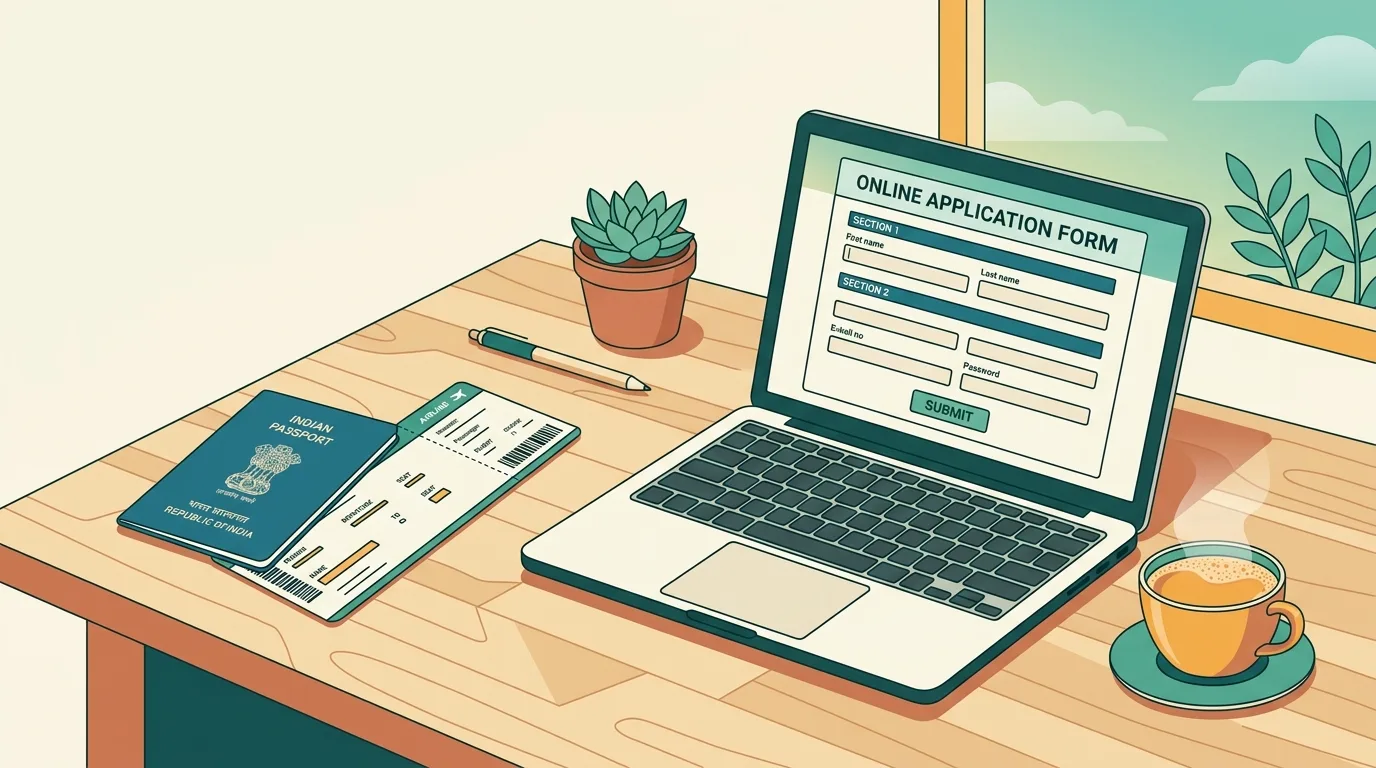
If you're planning a Halong Bay cruise from India, the visa isn't the interesting part of the trip, but it's the part that can quietly wreck your dates if you leave it too late. Indian citizens need a visa to enter Vietnam, and the standard route in 2026 is Vietnam's e-visa, applied for entirely online through the government's own portal.
TL;DR: Indian citizens need a visa for Vietnam. The e-visa (apply at evisa.gov.vn, the official government portal) is valid up to 90 days, costs $25 for single entry or $50 for multiple entry, and takes 3–7 business days to process. Your passport needs at least 6 months' validity beyond your arrival date and 2 blank visa pages. Sort this before you lock in cruise dates: a dietary confirmation or a notice-period deadline is only useful if your travel dates are actually fixed.
Do Indian Citizens Need a Visa for Vietnam?
Yes. Indian passport holders are not on Vietnam's visa-exemption list, so some form of visa is required for every visit, regardless of trip length. The overwhelming majority of Indian travelers use the e-visa, since it's the most straightforward option and doesn't require an embassy visit.
How the E-Visa Actually Works
The e-visa is issued through Vietnam's official government portal, evisa.gov.vn (the Vietnam National Electronic Visa system, run by the Immigration Department under the Ministry of Public Security). Apply directly there rather than through a third-party agency site. Plenty of commercial visa-agency sites rank well for this search and charge a service markup on top of the government fee for something you can do yourself in about the same amount of time.
- Validity: up to 90 days, single or multiple entry
- Fee: $25 for single entry, $50 for multiple entry, paid through the portal's e-payment gateway (non-refundable if the visa isn't granted)
- Processing time: 3–7 business days; apply with a buffer, don't cut it to the week before departure
- Entry points: accepted at a wide network of international entry and exit points across Vietnam, including Hanoi's Noi Bai airport, the usual arrival point for a Halong Bay trip
(Source: Vietnam National Electronic Visa system, evisa.gov.vn, retrieved 2026-09-24.)
Passport Requirements
Before you apply, check two things on your passport: it needs to be valid for at least 6 months beyond your planned arrival date, and it needs at least 2 blank visa pages. Both are easy to overlook if you're traveling on a passport that's due for renewal in the next year. Check this before you book flights, not after.
What You'll Need to Apply
The e-visa application asks for a digital passport photo and a scan of your passport's biographical page, plus your planned entry and exit dates and entry point. Have both ready before you start the online form. It moves faster if you're not hunting for a scanner mid-application.
Alternatives to the E-Visa
A few other routes exist, though the e-visa covers most travelers' needs:
- Visa on arrival: available for Indian citizens through a local Vietnamese embassy or consulate arrangement, though this generally involves more paperwork upfront than the e-visa and is less commonly used now that the e-visa system is well established.
- Phu Quoc Island visa-free entry: Indian citizens arriving directly and internationally into Phu Quoc Island can enter visa-free for up to 30 days. This doesn't help a Hanoi–Halong Bay itinerary directly since Phu Quoc is a separate island in the south, but it's worth knowing if your trip includes both.
| Route | Cost | Processing time | Best for |
|---|---|---|---|
| E-visa (evisa.gov.vn) | $25 single entry / $50 multiple entry | 3–7 business days | Almost every Indian traveler doing a standard Hanoi + Halong Bay itinerary |
| Visa on arrival | Varies by embassy/consulate arrangement | Longer, more paperwork upfront | Travelers with an unusual passport history or a specific consular need |
| Phu Quoc visa-free entry | Free | N/A (no visa needed) | Only trips flying directly into Phu Quoc Island, not a Hanoi–Halong Bay route |
For a standard Hanoi + Halong Bay (+ one more stop) itinerary, the e-visa remains the simplest and most reliable option. If Phu Quoc is part of a longer, multi-region trip, see our 7-day Vietnam itinerary for how these stops typically sequence together.
Why This Matters Before You Book Your Cruise
This isn't just a formality to clear before departure. It directly affects how you should sequence your planning. A Halong Bay cruise operator's notice period for a Jain or halal meal request only matters if your travel dates are locked in, and your travel dates aren't really locked in until your visa is approved. Apply for your e-visa early enough that it's not the thing holding up your cruise booking. That means building in the 3–7 business day processing window, plus a buffer for anything that needs a resubmission. See our step-by-step guide to booking a Halong Bay cruise from India for how this fits into the rest of the booking sequence, and check how to reach Vietnam from India if you haven't locked in flights yet either.
Spotted a change to the e-visa process or a fee that's out of date here? Contact the editorial team and we'll get it corrected.